


What Makes Artisan Coffee Roasters Different?
The art of roasting specialty coffee
Content
“Artisan coffee” is one of those phrases that appears everywhere, from supermarket shelves to café menus. But what does it actually mean?
There is no official rulebook for the word artisan. Anyone can use it. In practice, though, a good artisan coffee roaster is defined less by the label and more by the work behind the bag: how they source, roast, taste and explain the coffee they sell.
The difference is usually easy to taste.
Large commercial coffee is often bought for consistency, price and volume. The aim is to make a product that tastes broadly the same all year round, whether the coffee comes from one country or several.
Artisan roasters work differently. They look for coffees with character: a particular farm, region, variety or processing method that gives the cup something worth talking about.
That might mean an Ethiopian coffee with floral, tea-like notes, a Colombian coffee with brown sugar sweetness, or a washed Kenyan coffee with bright fruit and a lively finish.
The point is not to make coffee complicated. It is to give you a better idea of what is in your cup and why it tastes the way it does.
Coffee changes quickly once it is roasted. The aromatics begin to fade, the flavour becomes flatter and a bag can lose the qualities that made it exciting in the first place.
That is why artisan roasters tend to roast in smaller batches and more regularly. Rather than filling a warehouse with coffee that may sit for months, they can roast closer to when the coffee will be sold.
Freshness is not a marketing extra. It is one of the biggest differences between a cup that tastes vivid and sweet, and one that just tastes like coffee.
A roast date tells you far more than a distant best-before date ever will.
Coffee roasting is not simply a matter of making beans darker.
Every coffee behaves differently in the roaster. A dense high-altitude coffee from Ethiopia needs a different approach to a low-grown Brazilian coffee. One may be at its best with a lighter roast that keeps its florals and citrus clear. Another may suit a slightly deeper roast that brings out chocolate, caramel and body.
The job of the roaster is to understand what the coffee already has and make the most of it.
That means tasting every roast, making adjustments and accepting that there is no single setting that works for every bean. It is part craft, part science and part paying very close attention.
With artisan coffee, the details matter.
A good bag should tell you more than whether the coffee is “strong” or “smooth.” Look for the origin, producer or region, processing method, variety and tasting notes. These are not there to make coffee feel exclusive. They help you choose something you will actually enjoy.
If you like chocolate, caramel and low acidity, a coffee from Brazil or Colombia might suit you. If you prefer fruit, florals or something more lively, you may want to try Ethiopia, Kenya or Rwanda.
The more you know about where a coffee comes from, the easier it is to find your way back to the flavours you love.
Artisan coffee is not about making a simple morning coffee into a performance.
It is about making the everyday cup better.
It is the coffee you drink before work, the espresso you make after dinner, the French press you put on for friends, or the bag you bring away for the weekend. The best artisan coffee is not precious. It is simply well chosen, roasted with care and fresh enough to show you what it can do.
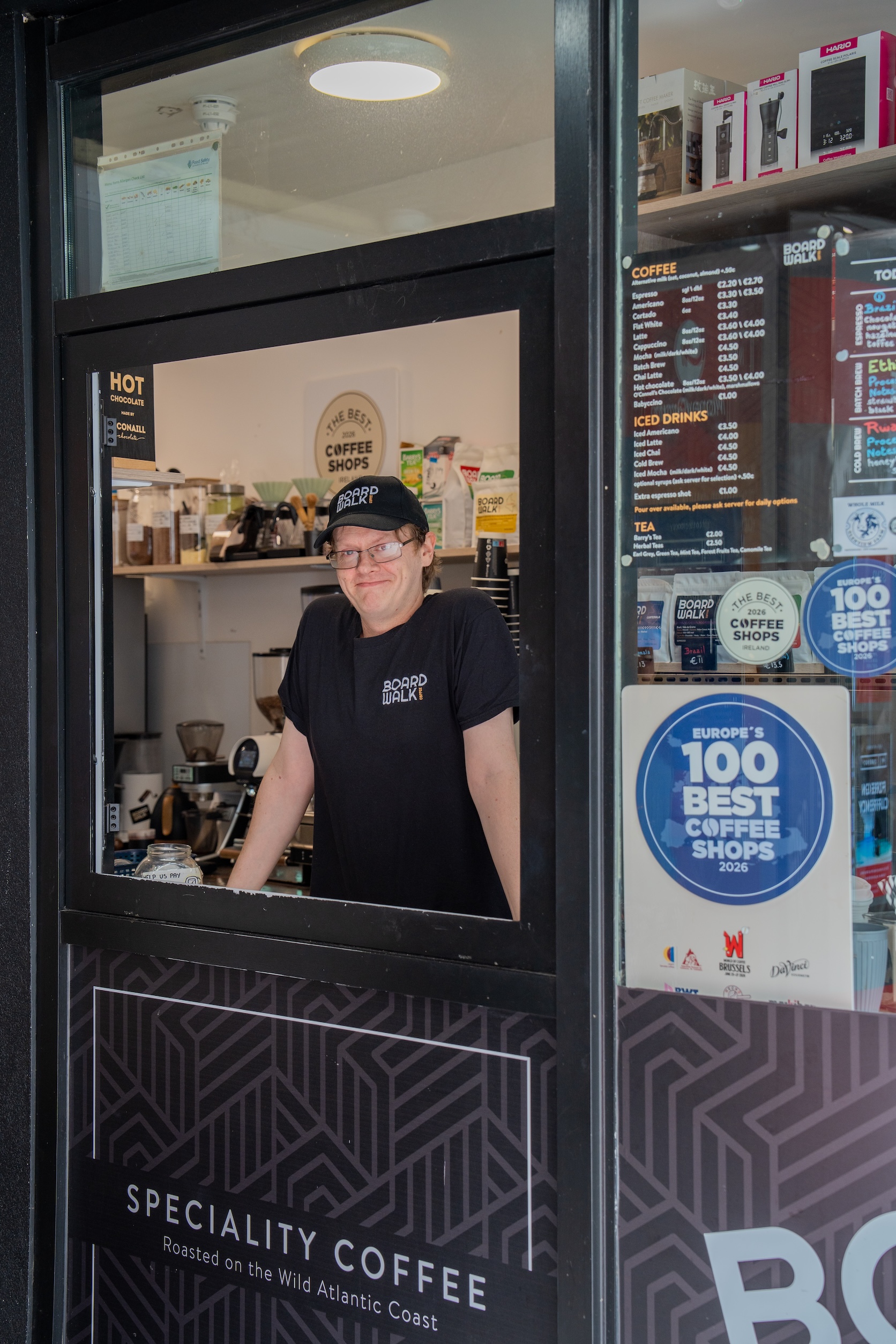
At Boardwalk, we roast coffee because we believe every origin has something to say. Our job is to listen closely, roast it well and get it to you while it is still full of flavour.
When you are choosing coffee, look for a few simple things:
Good coffee does not need a long list of promises. It needs care at every stage, from farm to roastery to cup.
That is what makes artisan coffee different.



.svg)
