The Roastery

The Roastery
4 Yawl Business Park
Foxhole, Youghal
Co. Cork, P36 WY95

Boardwalk on the Mall
12 The Mall
Youghal-Lands
Youghal
Co. Cork P36 VF85

Boardwalk at Claycastle
Claycastle Beach
Youghal
Co. Cork

Washed, Natural or Honey: What Coffee Processing Means for Your Cup

Washed, natural and honey processing explained, from how each method works to what it does to the flavour in your cup, plus our new Panama Elida Estate washed Geisha.
Read

Content

Processing is everything that happens between picking a ripe coffee cherry and shipping a dry green bean, and it shapes flavour almost as much as origin or roast. Washed coffees taste clean, bright and transparent, naturals taste fruit-forward with a heavier body, and honey coffees sit between the two with a rounded sweetness.

If you want to taste what processing actually does, our newest arrival, a washed Geisha from Panama's Elida Estate, is about as clear a demonstration of the washed style as a single cup can give.

Why Processing Matters More Than Most People Think

  • A coffee bean is a seed inside a fruit: Every cherry has a skin, a sticky layer of fruit called mucilage, and a parchment layer before you reach the bean, and processing is the producer's decision about how much of that fruit stays on while it dries.
  • Same farm, different cup: One harvest processed two different ways can taste like two different coffees, which is why roasters print the process on the bag right next to origin and variety.
  • The name gives direction, the producer gives quality: Fermentation time, drying conditions and how often the beans are turned all shift the flavour, so the process tells you what to expect while the farm's skill decides how good it gets.

Washed: Clarity First

  • How it works: The skin and fruit are removed soon after picking, the beans ferment briefly in water to loosen the remaining mucilage, and then they're washed clean and dried.
  • What it tastes like: Clean, bright and precise, with acidity and floral or citrus notes at the front, because there's very little fruit left to add flavour of its own.
  • Why roasters love it: Nothing stands between you and the origin or the variety, so a washed coffee is often the most direct way to taste what a farm is producing.
  • Best for: Pour over and filter drinkers, and anyone who likes a cup that tastes light and close to tea.

Natural: Fruit Forward

  • How it works: The whole cherry is dried with the bean still inside, usually on raised beds or patios over several weeks, before the dried fruit is hulled away.
  • What it tastes like: Sweet, heavy-bodied and fruit-led, often with berry, tropical or wine-like notes, because the bean spends its drying time wrapped in fruit.
  • The trade-off: Naturals need careful, constant turning while they dry, and when that goes wrong the fruit can tip into boozy or fermented flavours, so quality varies more than it does with washed coffees.
  • Best for: Espresso and milk drinks, where the body carries through, and anyone who wants coffee that tastes unmistakably of fruit.

Honey: The Middle Ground

  • How it works: The skin is removed but some or all of the sticky mucilage stays on the bean while it dries, and that mucilage is the "honey" in the name rather than any actual honey.
  • The colour scale: Producers often label honey coffees yellow, red or black, roughly according to how much mucilage is left and how slowly the beans dry, with darker names usually meaning more fruit and more body.
  • What it tastes like: Rounder and sweeter than a washed coffee and cleaner than a natural, often with caramel, stone fruit or brown sugar notes.
  • Best for: People who find washed coffees too bright and naturals too wild, and want something balanced that works across brew methods.

Origin tells you where a coffee grew, but processing tells you what the producer chose to do with it, and that choice is something you can taste in every cup.

How to Taste the Difference at Home

  • Brew two processes side by side: Same grinder, same recipe and same water, with one washed coffee and one natural, will train your palate faster than any tasting notes can.
  • Use a paper filter for washed coffees: Pour over or Aeropress lets the clarity come through, while a French press adds body that can blur it.
  • Read the process before the tasting notes: It tells you what to expect before the first sip, and over time it explains why you like the coffees you keep coming back to.

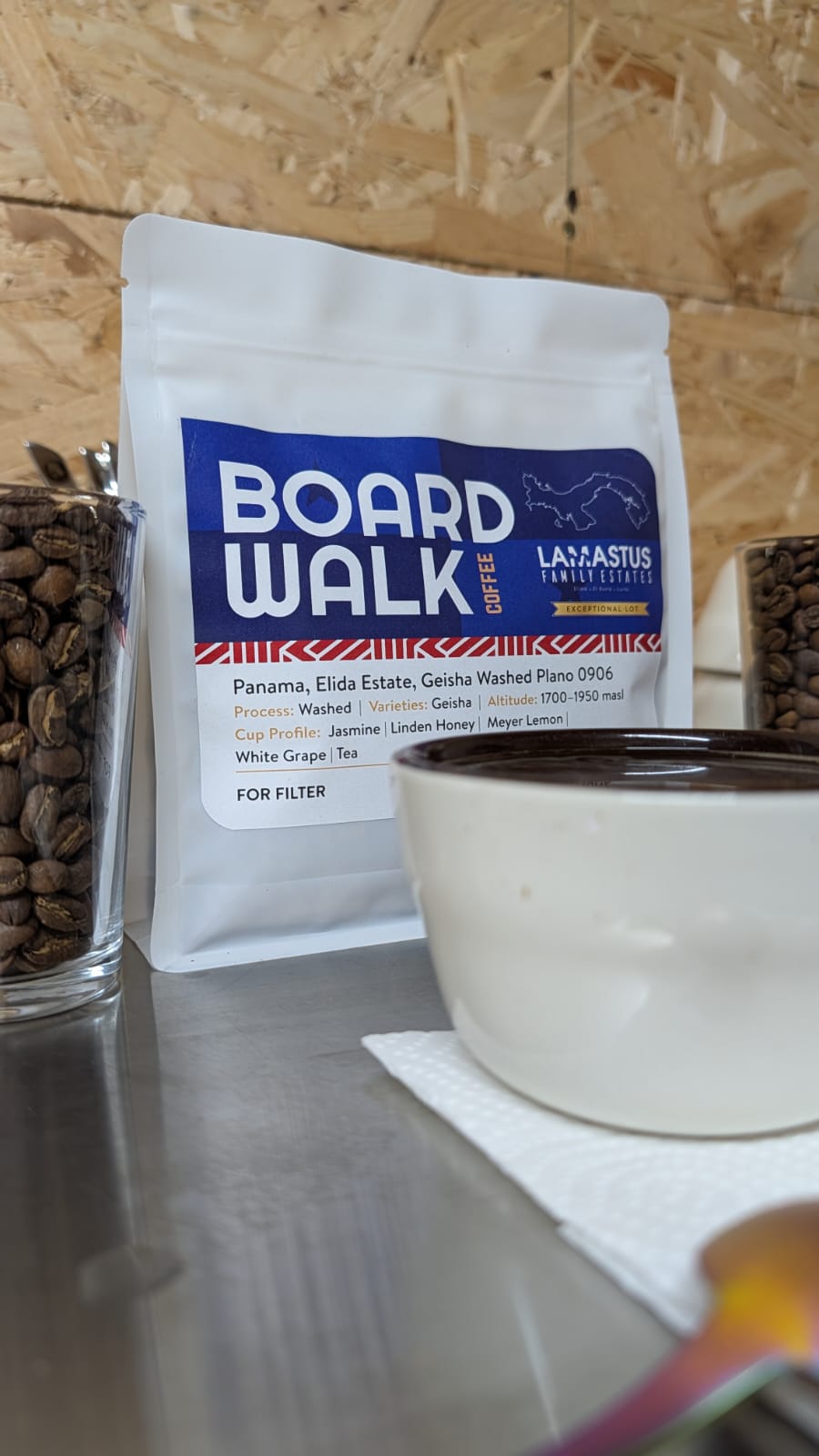
New In: Panama, Elida Estate, Geisha Washed Plano 0906

  • The farm: Elida Estate is run by the Lamastus family on the slopes of Panama's Barú Volcano, and it took first place in both the washed and natural Geisha categories at Best of Panama in 2018 and 2019.
  • The lot: A green tip Geisha from Elida's Plano plot, a flat, semi-shaded plateau around the estate's mill, which arrived at our Youghal roastery by airfreight this summer.
  • In the cup: Jasmine, linden honey, Meyer lemon and white grape, with a silky texture and a long finish that reads like fine white tea.
  • Quantity: Very limited, so if you've been curious about Geisha, this is the lot to try it with.

Where to Find It

The Panama Elida Estate Geisha Washed Plano 0906 is on our shop now in 100g and 1kg, whole bean or ground for filter, espresso, French press or moka pot. Brew it as a pour over first, because a coffee this clean deserves a method that keeps it that way, and then brew it any way you like.

Article gallery