


The Best Coffee Beans for Espresso: How to Choose the Right Coffee (Part 1)
Discover how to choose the best coffee beans for espresso.
Content
A great espresso starts with the right coffee beans. But with so many origins, roast levels and flavour profiles to choose from, finding the perfect coffee for your machine can feel overwhelming.
Some coffees produce a rich, chocolatey espresso, while others offer bright fruit flavours, delicate floral notes or a more balanced sweetness. The difference comes down to several factors, including the beans themselves, how they're roasted and how you prefer to enjoy your coffee.
Whether you're buying coffee for your first espresso machine or looking to improve your morning coffee, understanding what to look for can make choosing your next bag much easier.
At Boardwalk Coffee, we believe discovering great coffee should be an enjoyable experience. Here's how to find espresso beans that suit your taste.
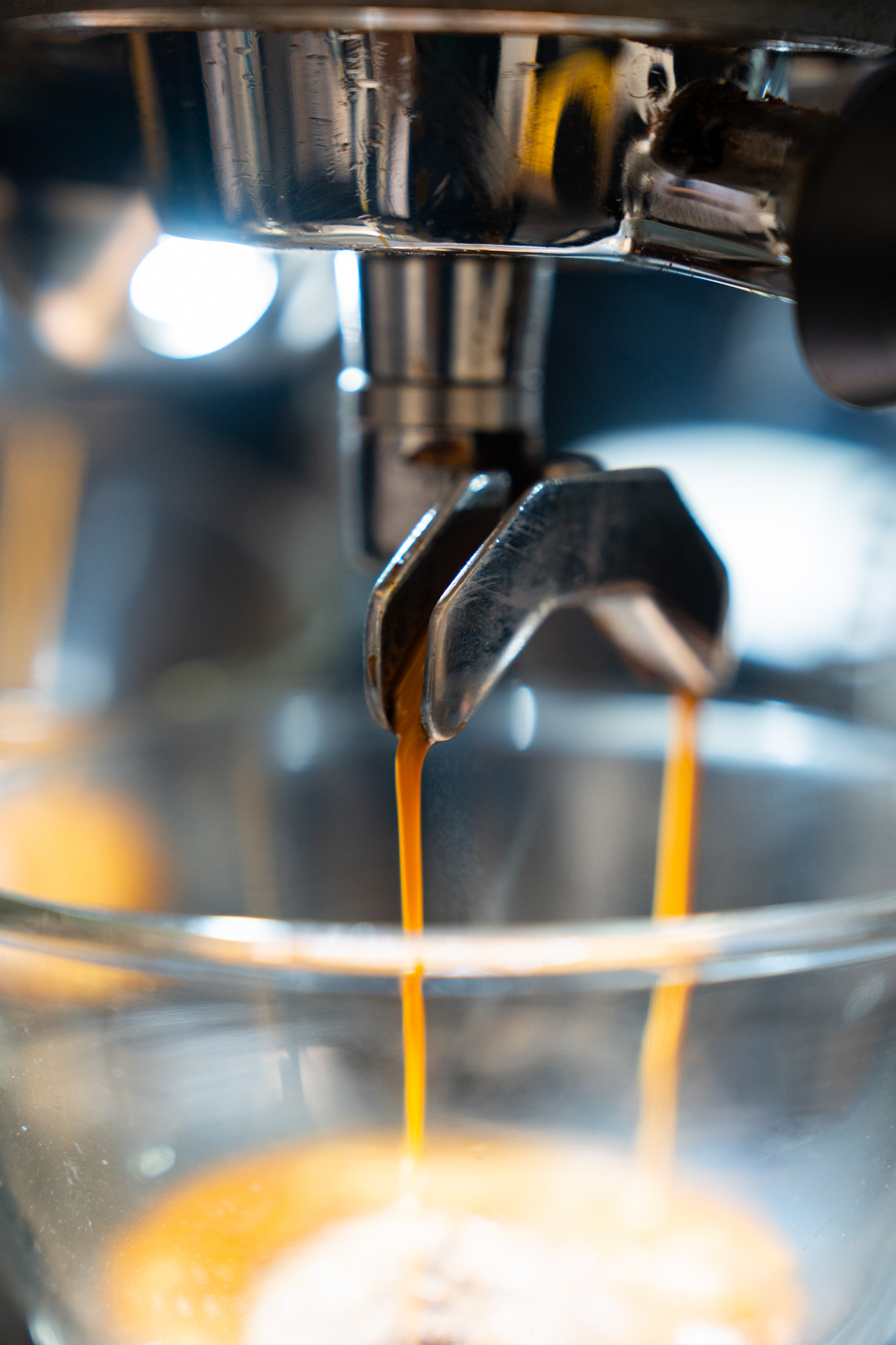
Espresso is made by forcing hot water through finely ground coffee under pressure. The result is a concentrated drink in which sweetness, acidity, bitterness and body can be particularly noticeable.
Although you can technically use almost any coffee bean to make espresso, certain flavour profiles may suit your preferences better than others.
When choosing beans, consider three characteristics:
The best balance depends on your personal taste. If you enjoy a traditional espresso, you might prefer a rich, full-bodied coffee. If you enjoy exploring speciality coffee, you might prefer something brighter and more expressive.
Neither is inherently better. The aim is to find coffee you enjoy drinking.
Roast level influences the flavours that develop during roasting and is a useful starting point when choosing espresso beans.
Light-roasted coffees often retain more of their distinctive origin characteristics.
Depending on the coffee, you might notice floral aromas, citrus, berries or other fruit flavours. They can offer a brighter acidity and a more delicate body.
Light roasts can produce excellent espresso, particularly if you enjoy complex flavours. However, they may require more experimentation with grind size and extraction to achieve the balance you want.
Choose a light roast if: You enjoy bright flavours, floral aromas and exploring the character of individual coffees.
Medium roasts can offer a balance between the flavours associated with the coffee's origin and those developed during roasting.
Depending on the beans, you might find chocolate, caramel, nuts, brown sugar or ripe fruit.
For many home espresso drinkers, this balance makes medium-roasted coffee a useful starting point. It can work well as a straight espresso and in milk-based drinks.
Choose a medium roast if: You want a versatile coffee with a balance of sweetness, acidity and body.
Darker roasts tend to develop more pronounced roasted flavours, which can include dark chocolate, toasted nuts and smoky characteristics.
They may produce a fuller-bodied cup with less perceived acidity, although the result depends on the coffee itself.
If you enjoy a bold, traditional-tasting espresso, a darker roast may suit your preferences.
Choose a dark roast if: You prefer pronounced roasted flavours and a more intense-tasting cup.
Not necessarily.
The word strong can refer to several things, including flavour intensity, the concentration of the brewed coffee or its caffeine content.
A darker roast may taste more intense or roasty, but that doesn't automatically mean it contains more caffeine. The final caffeine content depends on factors such as the coffee itself, the dose and the brewing method.
Rather than choosing beans based on roast darkness alone, think about the flavours you want in your cup.
One of the easiest ways to choose coffee is to start with flavours you already enjoy.
If you like chocolate, caramel or nuts, look for coffees described with those tasting notes. If you prefer fruity or floral flavours, explore coffees with brighter, more expressive profiles.
Tasting notes describe the flavours and aromas that a coffee may evoke. They don't mean that flavourings have necessarily been added to the beans.
Keep in mind that tasting notes are guides rather than guarantees. The flavour you experience will also depend on your equipment, recipe and personal palate.
If you regularly make flat whites, cappuccinos or lattes, consider how your coffee will taste alongside milk.
Milk adds sweetness and texture, changing how you perceive the espresso underneath.
Chocolatey, caramel-like coffees can work particularly well in milk-based drinks because their flavours complement the milk. However, fruitier coffees can also produce interesting results, creating a contrast between the coffee's acidity and the milk's sweetness.
For a straight espresso, you may notice more of the coffee's individual characteristics without milk changing the flavour.
If you enjoy both, look for a versatile coffee that tastes good on its own and remains noticeable in your favourite milk-based drink.
If you have a grinder at home, whole-bean coffee is generally the best option for espresso.
Grinding exposes more of the coffee to air, allowing aromatic compounds to escape more quickly. Grinding just before brewing helps preserve the aromas and flavours you want in your cup.
A grinder also lets you adjust the grind size to suit your espresso machine and the coffee you're using.
If you don't own a grinder, don't let that put you off enjoying speciality coffee. Buying coffee ground appropriately for your machine can still produce an enjoyable espresso.
The important thing is to choose the right grind for your brewing equipment.
You don't need to know everything about coffee to make a good choice.
Start by identifying the flavours you enjoy, then explore coffees that match those preferences. If you're unsure, try a versatile coffee with a balanced flavour profile before experimenting with more distinctive origins and roasts.
Pay attention to the tasting notes, roast information and origin details provided by the roaster. These can help you understand what to expect before you brew.
And remember that your preferences may change as you try more coffees. Part of the enjoyment of speciality coffee is discovering flavours you didn't know you liked.
At Boardwalk Coffee, we roast speciality coffee in small batches at our roastery in Youghal, County Cork.
Our range includes coffees from growing regions around the world, giving you the opportunity to explore different origins and flavour profiles.
Whether you prefer a rounded, chocolatey cup or a more expressive coffee with fruity characteristics, exploring different beans is the best way to discover what suits your taste.
Explore the Boardwalk Coffee online store to discover our current selection.
Choose a coffee that sounds appealing, experiment with your brewing recipe and enjoy finding your favourite espresso.
What are the best coffee beans for espresso?
The best beans depend on your preferred flavour profile. Medium roasts can be a versatile starting point, while light and dark roasts offer different characteristics worth exploring.
Can you use any coffee beans for espresso?
Most coffee beans can be brewed as espresso, although some may be better suited to your preferences or equipment. Look for coffees whose flavour profiles appeal to you and experiment with your extraction.
Are espresso beans different from regular coffee beans?
Not necessarily. Espresso beans are often marketed with a particular roast or flavour profile in mind, but espresso is a brewing method rather than a specific type of coffee bean.
Are dark roast beans better for espresso?
No. Dark roasts can produce bold, roasty flavours, but lighter and medium roasts can also make excellent espresso. Your choice should depend on the flavour you enjoy.
Should I grind coffee beans just before making espresso?
Yes, if possible. Grinding immediately before brewing helps preserve the coffee's aromas and gives you control over the grind size.


.svg)
